Reinforcement,
reimagined
■ The Basalt Platform
Fiber Elements offers breakthrough technology for the fully automated production of smart and resource-optimised basalt fiber reinforcement structures for the construction industry.
■ Supported by


■ Load optimized structures
Basalt reinforcement structures
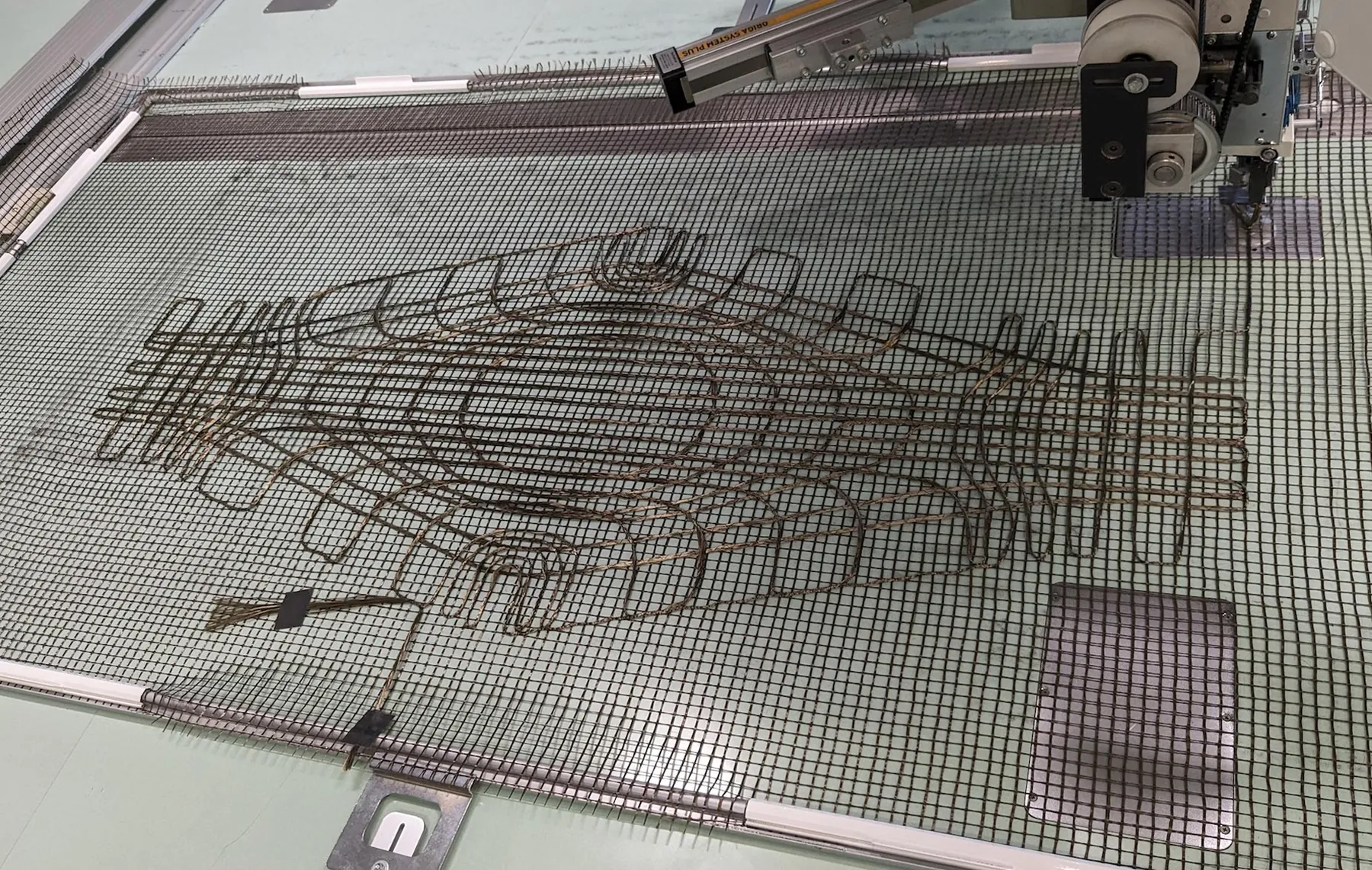
Fiber Elements develops and produces innovative basalt reinforcement structures for the construction industry. Drawn from volcanic basalt rock the continuous fibers are mainly processed into rebars or so-called non-crimp fabrics. Fiber Elements however, focuses on utilising the pliable nature of continuous fibers to produce novel three-dimensional load-path-oriented reinforcement structures.
■ While in last two decades, efforts have been made to replace steel with textiles made of synthetic fibers, such as carbon and glass, Fiber Elements focusses on basalt fibers for the following reasons:
Basalt is a naturally occurring mineral with outstanding mechanical properties and chemical resilience.
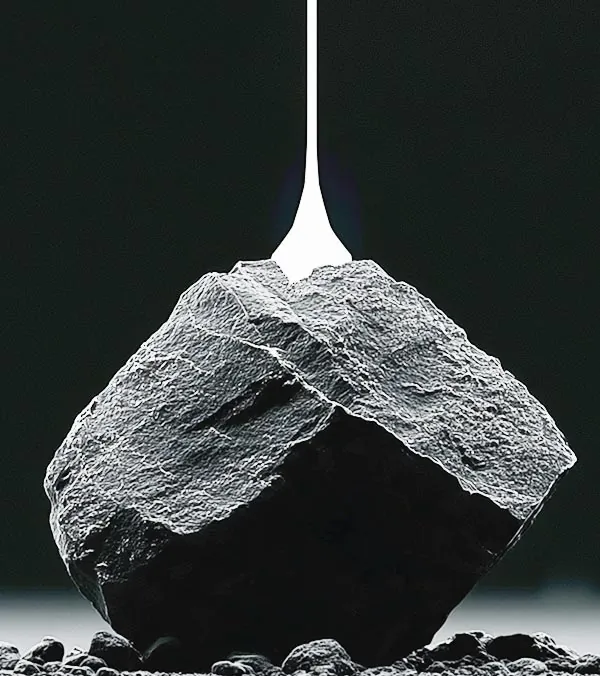
Basalt fibers enable fully automated and therefore highly efficient production processes.
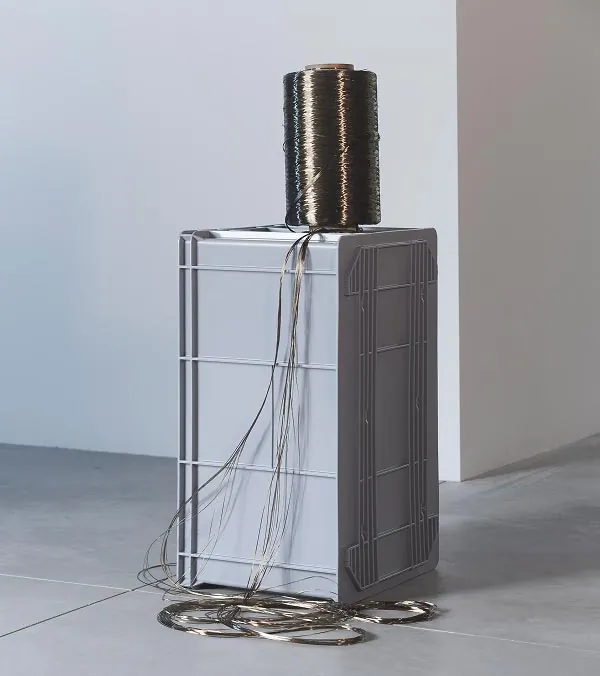
The CO2 emissions generated during the production of basalt fibers are significantly lower than those of structural steel or other types of fibers used in construction.
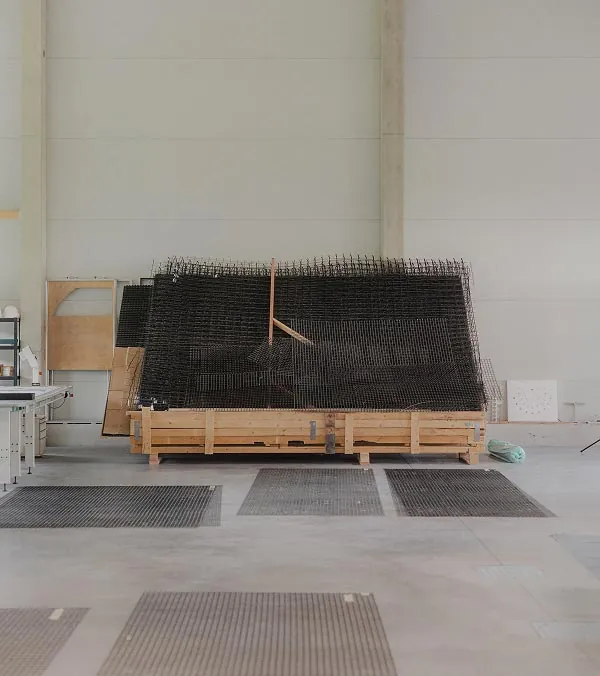
Basalt is non-corrosive and therefore requires minimal concrete cover. The resulting potential for reducing the amount of concrete required contributes to a further reduction in the cumulative CO2 emissions of basalt concrete by up to 70%.
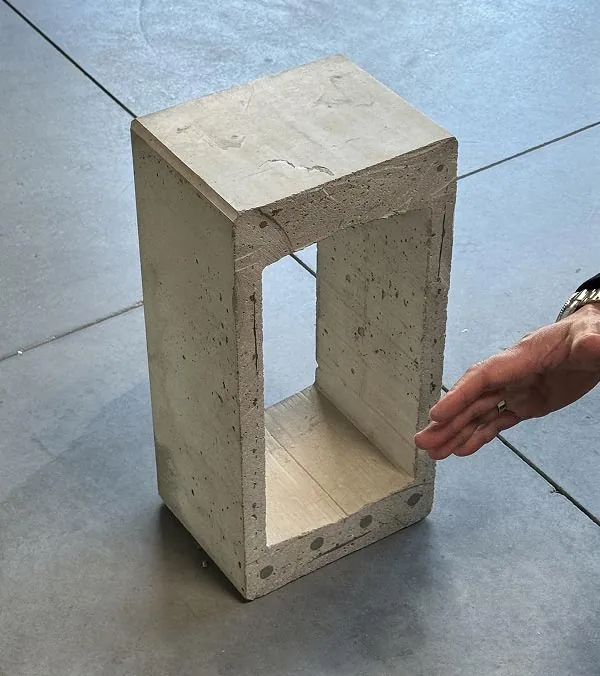
Basalt reinforced concrete is considered a pure material and therefore easy to recycle.
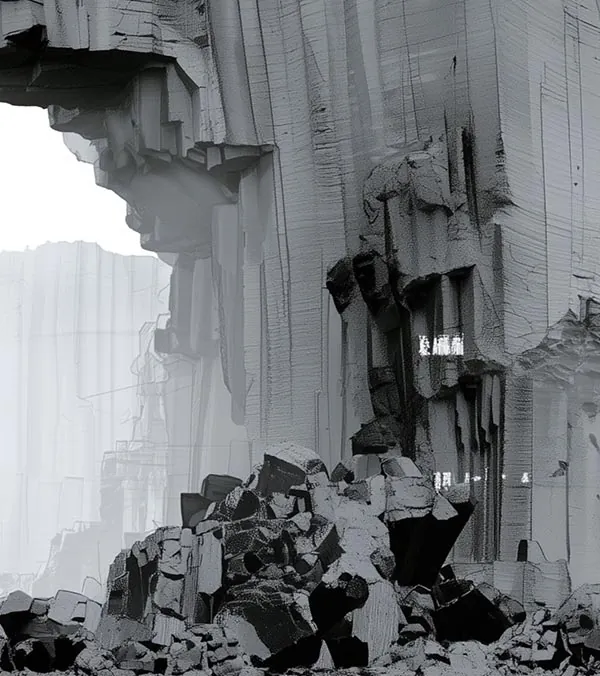
“Less material, shorter timeframe, less costs, less CO2. Less is more.”
■ Expansive expertise
Our Know-How
The use of continuous basalt fibers for the production of innovative reinforcement systems enables the use of fully automated production processes.
The development and production of basalt reinforcement structures are based on seamless digital workflow, starting with
- component design (FEA), followed by
- AI-driven optimisation of fiber layouts and component topology, as well as
- real-time product health monitoring and predictive maintenance.
Fiber Elements has the required in-house expertise for fully integrated production processes and Life Cycle Analysis.
■ Fully automated production
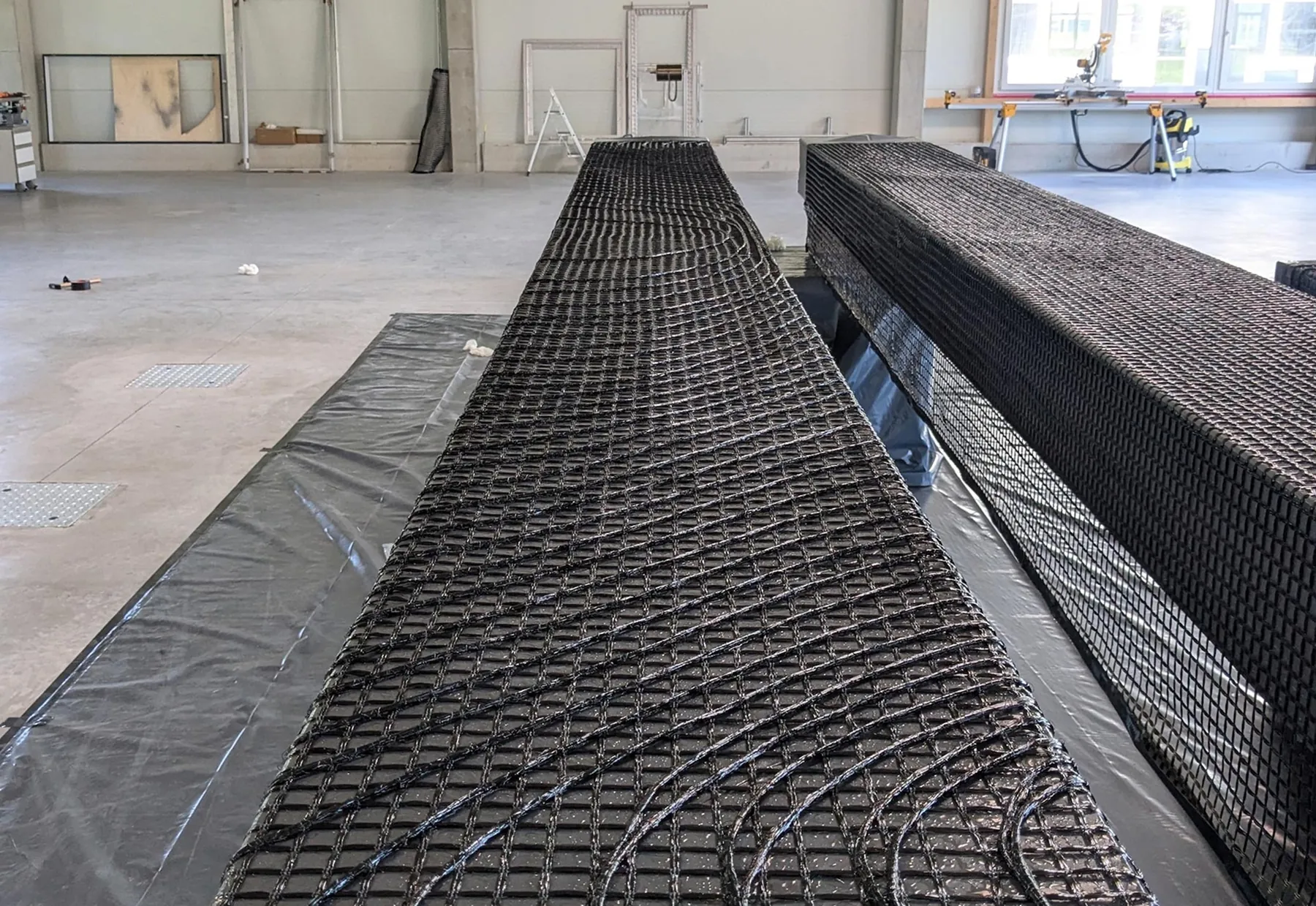
Two production processes
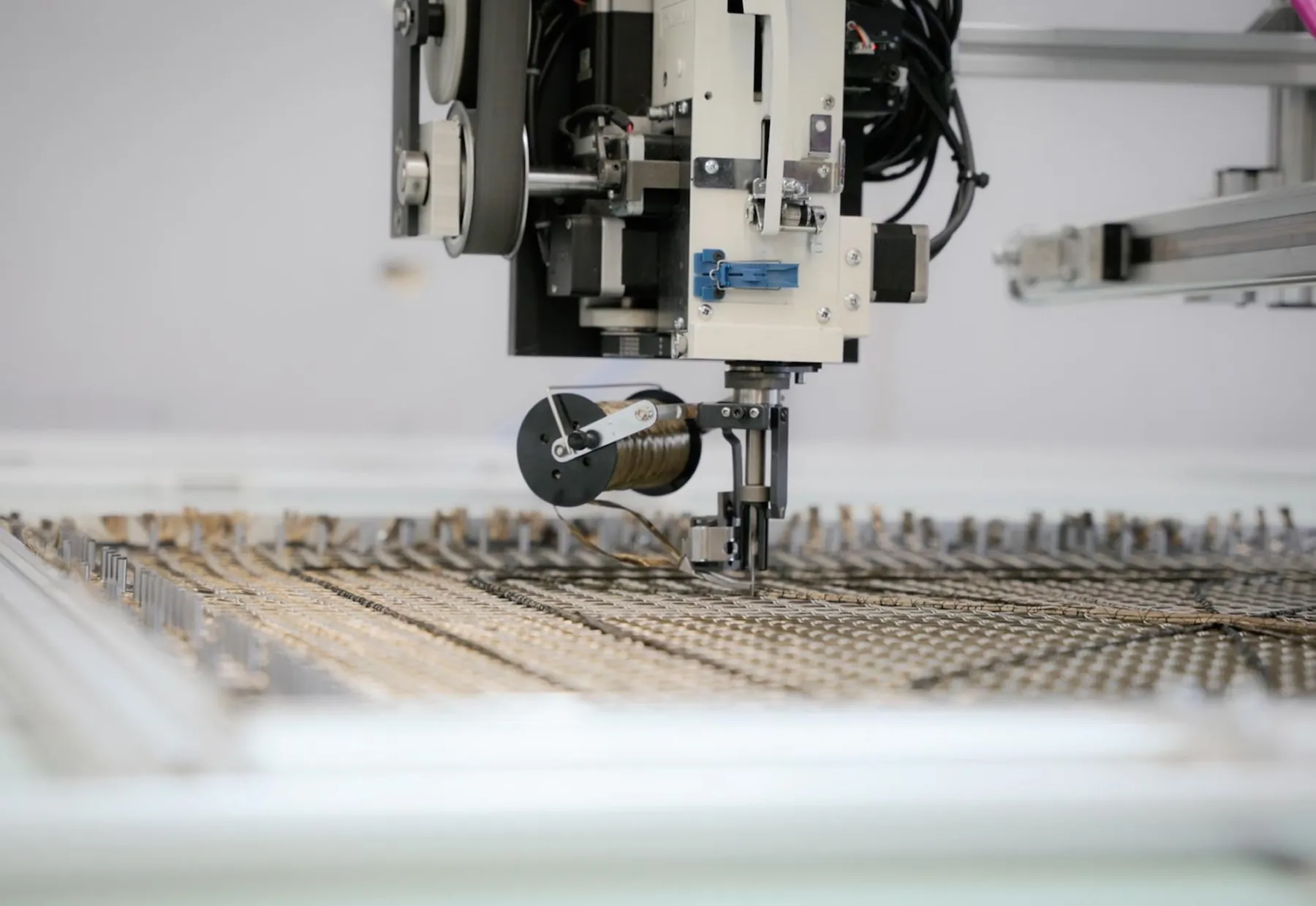
TFP – Tailored Fiber Placement
Technical embroidery process for 2- and 3-dimensional fiber placement on full-surface carrier materials or geogrids
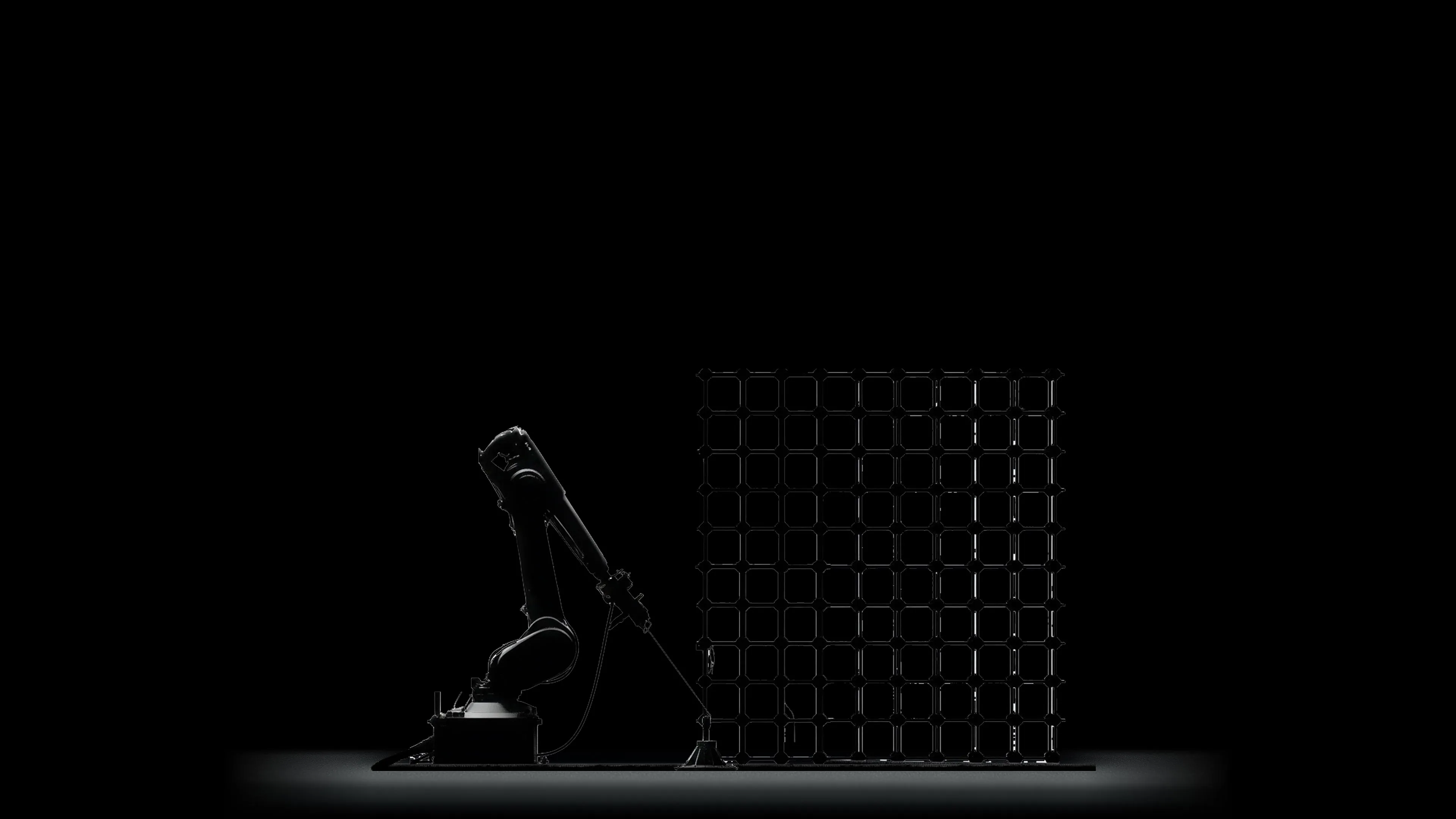
RW – Robotic Winding
Robotic wet winding for 3-dimensional fiber placement on customised winding tools.
■ Continuous Development
Research & Development
Fiber Elements is a company of the ZAT start-up centre at the Montanuniversität Leoben.

Fiber Elements works on various research projects with leading experts in the fields of non-metallic reinforcement, bio-based resin systems, embedded sensor technologies and cyber-physical systems.
Together with Prof. Robert Galler and his team, we are currently investigating the application of continuous basalt fibers in subsurface engineering.